
Marriage & Couples Counseling for Atlanta and Decatur
When you love each other, but keep getting stuck in the same place
You and your partner have been arguing more and more lately.
Sometimes you can’t even remember what started the disagreement. To be honest, it really doesn’t matter what started this argument because they usually tend to end the same way. You are both frustrated and irritated with each other. Something needs to change.
You used to have so much fun together. But it seems like these days all you talk about are the things that need to get done for the house or maybe the kids. Sometimes you feel more like roommates than partners. You are drifting apart.
You want to make your relationship work, but you don’t know how to move forward and you are wondering if couples therapy can help.
Maybe somewhere along the way there was something that happened that made you lose trust in each other. Or perhaps you’ve even tried marriage or couples therapy before, but it didn’t help. It felt like your sessions went in circles and nothing was ever resolved. You’re looking for something different.
At Aspen Grove Counseling and Wellness our couples therapists are here to help you build stronger relationships.
We offer in-person marriage counseling and couples therapy at our Decatur office for couples throughout Atlanta and the surrounding area, as well as virtual couples therapy across Georgia.
When you begin couples counseling, your therapist will guide you through a structured intake process so they can really get to know you and your relationship. By taking time to understand you and the unique struggles and strengths that you have in your relationship, your therapist is better able to work with you to develop a plan to meet your relationship goals.
Our couples therapists are trained in and utilize the Gottman Method for couples therapy, alongside other therapeutic approaches based on each clinician’s training and the needs of the couple. In marriage or couples counseling, you and your partner will learn how to build a deeper connection with each other. Your therapist will help you develop tools and strategies so you can communicate in ways that are kinder and more effective with each other.
Whether you are just starting out, engaged, newly married, or have been married for many years, bumps in the road can come up at any time. Couples or marriage therapy is for people who want help to safely explore their relationship together and create desired change. Communication, fidelity, trust building, intimacy issues, and resolving conflict are a few of the many issues that can be addressed in couples or marriage counseling.
Successful relationships are a lot of work and couples or marriage therapy can help.
Meet Our Couples Therapists
-
![Atlanta Couples Therapist Keri Challen]()
Keri Challen, APC
Affairs & Betrayal • ADHD in Relationships • Communication • Reconnection
-
![Atlanta Marriage Therapist Melissa Light]()
Melissa Light, LPC, PMH-C
Pregnancy & Postpartum • Transition to Parenthood • ADHD & Neurodivergence • Relationship Connection
-
![Atlanta Couples Therapist Brooke Bonvillain]()
Brooke Bonvillain, Clinical Intern
Communication • Disconnection • Life Transitions • Affordable Couples Therapy
-
![Jaime FIller Atlanta Couples Counselor]()
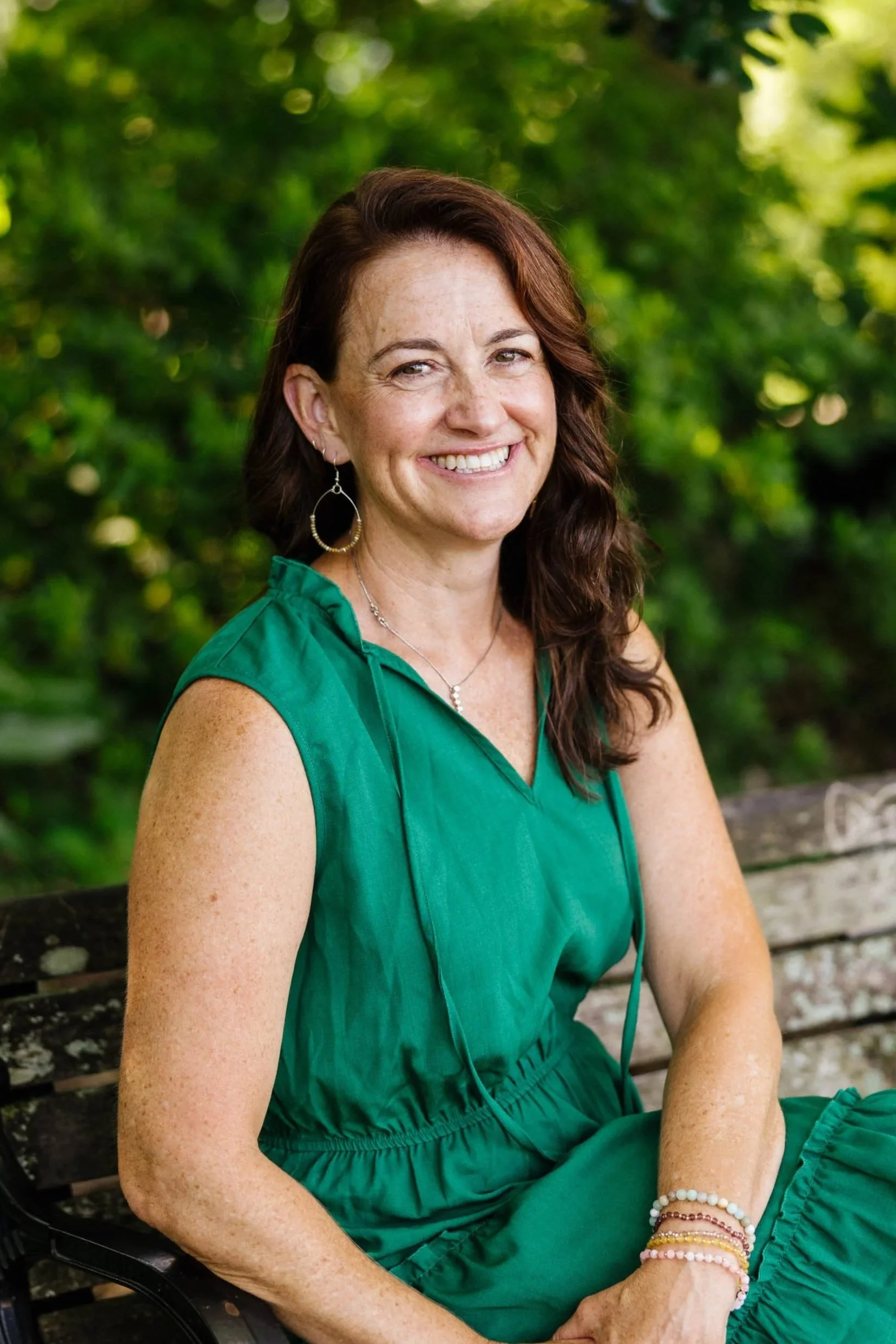
Jaime Filler, LMFT, PMH-C
Transition to Parenthood • Relationship Reconnection • Communication & Intimacy



Frequently Asked Questions
-
You do not have to wait until your relationship feels like it is falling apart to come to couples therapy.
Some couples reach out because they are having the same argument over and over, struggling to communicate without becoming defensive or shutting down, or feeling increasingly disconnected from one another. Others are navigating a significant transition—getting married, becoming parents, adjusting to new roles in the family, recovering from a betrayal, or trying to understand how ADHD or neurodivergence is affecting their relationship.
And sometimes there is not one obvious problem. You may simply know that the relationship does not feel the way you want it to anymore.
At Aspen Grove, we believe therapy can be a place for growth as well as healing. Couples counseling gives you space to understand what is happening between you, identify the patterns that keep pulling you back into the same places, and become more intentional about the kind of relationship you want to create together.
-
We begin couples therapy with a structured assessment so that your therapist can understand your relationship before asking you to start changing it.
Your first appointment is a 75-minute session with both partners and your therapist. After that session, each partner completes an online assessment independently. Your therapist then meets with each of you individually before the two of you return together for a final 75-minute assessment session.
During that final meeting, your therapist will talk with you about what they have learned, share relevant assessment findings, and work with both of you to develop goals for therapy.
The entire assessment process typically takes about three weeks.
Our couples therapists are trained in and utilize the Gottman Method for couples therapy, while also drawing from other therapeutic models depending on the clinician, the couple, and what brings you to therapy. The assessment also helps us consider whether couples therapy is the most appropriate form of support for your particular relationship.
-
The cost of marriage counseling can vary based on a therapist's experience, level of licensure, and areas of specialization. At Aspen Grove Counseling & Wellness, we offer several fee levels so couples have options when choosing a therapist.
Through our Affordable Therapy Program, couples may work with a graduate intern who receives direct clinical supervision from our Clinical Director. The fee is $50 for a 50-minute session. The two 75-minute assessment sessions are $75 each.
Our associate-licensed clinicians offer couples therapy starting at $160 for a 50-minute session, with 75-minute assessment sessions starting at $240.
Our fully licensed clinicians offer couples therapy at $200 for a 50-minute session, with 75-minute assessment sessions at $300.
Aspen Grove is a private-pay practice and does not bill insurance directly. We can provide a superbill that you may submit to your insurance company for possible out-of-network reimbursement. Because insurance plans vary—and some plans do not provide reimbursement for couples therapy when treatment is addressing the relationship rather than an individual mental health diagnosis—we encourage you to contact your insurance provider directly to ask specifically about your coverage for couples therapy.
-
Communication is one of the most common reasons couples come to us, but communication difficulties are rarely just about finding better words or using the right communication tool.
You may already know that you are supposed to listen, avoid becoming defensive, or tell your partner how you feel. And yet, when a familiar conflict begins, both of you may find yourselves right back in the same pattern.
Couples therapy helps us slow those moments down.
Rather than deciding which partner is communicating "correctly," we become curious about what is happening between you. One partner may push harder for a conversation while the other pulls away. An attempt to solve a problem may be experienced as criticism. A request for space may feel like rejection. Over time, these patterns can leave both people feeling unseen or misunderstood even when they care deeply about one another.
Our role is not to determine who is right or wrong. We help couples understand the relationship pattern they have created together and begin practicing different ways of reaching for, listening to, and responding to one another.
-
Couples therapy can create meaningful change, but successful therapy does not look exactly the same for every couple.
For some couples, the work means rebuilding closeness, communicating differently, repairing trust, or feeling like partners again. For others, it may mean understanding longstanding relationship patterns or moving through a difficult transition with greater connection and clarity.
And sometimes successful couples therapy includes recognizing that the relationship needs to end. Therapy is not about keeping every couple together at all costs. When separation becomes the decision, couples therapy can sometimes help partners reach that decision more thoughtfully and, when possible, together.
The therapist cannot do the work for the couple or guarantee a particular outcome. What we can offer is a space where both partners can be understood, difficult conversations can be approached differently, and the relationship can be looked at with greater honesty and compassion.
Couples also do not have to arrive equally enthusiastic about therapy. It is common for one partner to feel more ready than the other. Some willingness from both people to participate and become curious about the relationship is a meaningful place to begin.
-
Yes. Betrayal can create a particular kind of rupture in a relationship. The partner who has been hurt may be trying to make sense of what happened while also questioning what they can trust. The other partner may be carrying guilt, shame, defensiveness, fear, or uncertainty about how repair is even possible.
There is rarely a quick path through that.
Couples therapy can provide a space for the deeper healing that may be necessary after a betrayal. This can include understanding what happened without minimizing its impact, making room for painful emotions, rebuilding emotional safety, and determining what trust would need to look like moving forward.
Therapy does not require a particular outcome. Our role is not to tell a couple whether they should stay together. Instead, we help create the conditions for more honest conversations, meaningful repair when repair is possible, and greater clarity about what each partner needs and wants from the relationship.
-
Yes. This is an area in which couples can sometimes spend years believing they have a communication problem when there is much more happening underneath it.
ADHD and other forms of neurodivergence can affect attention, memory, planning, emotional regulation, transitions, household responsibilities, intimacy, and the way partners experience one another's behavior. Over time, one partner may feel as though they are carrying too much of the mental load, while the other may feel chronically criticized, misunderstood, or as though they are continually disappointing the person they love.
Those experiences can create very real hurt on both sides.
Couples therapy can help partners understand the impact of neurodivergence on the relationship without reducing either person to a diagnosis or assigning one partner the role of "the problem." The work may include communication, division of labor, expectations, emotional connection, and finding approaches that make sense for the actual brains and relationship in the room.
-
There is no single timeline for couples therapy.
A couple seeking support around one specific transition may need something different from partners working through years of disconnection or healing after a significant betrayal. The length of therapy can also depend on your goals, the patterns you are trying to change, what is happening outside the therapy room, and how the work develops over time.
At Aspen Grove, the initial couples assessment typically takes about three weeks. Once the assessment is complete, your therapist will have a much clearer understanding of your relationship and will collaborate with you on goals for the ongoing work.
We do not believe couples should remain in therapy simply because they started it. Goals can be revisited throughout the process so that you and your therapist can consider what is changing, what still needs attention, and whether therapy continues to feel useful.
-
Yes. Aspen Grove Counseling & Wellness offers in-person couples therapy at our office in Decatur, Georgia, as well as virtual couples therapy for couples located throughout Georgia.
For virtual couples sessions, we require both partners to participate from the same physical location.
When possible, we prefer to see couples in person. Being together in the therapy room gives your therapist an opportunity to experience some of the subtle interactions between you and can create a different kind of space for relational work.
We also recognize that Atlanta traffic, work schedules, parenting responsibilities, transportation, health, and other realities can make in-person therapy difficult. Virtual couples therapy can still provide a meaningful space for relationship work, and for many couples it makes consistent participation much more possible.
-
The right couples therapist is not necessarily the therapist with the longest list of credentials. Training matters, but so do experience, therapeutic approach, the concerns you are bringing to therapy, and whether both partners feel that the therapist can understand them without choosing sides.
At Aspen Grove, all of our couples therapists have training in the Gottman Method and utilize Gottman Method interventions alongside other models of therapy. Individual clinicians also bring different areas of experience and specialization to their work.
If you already know which Aspen Grove therapist you would like to work with, you can schedule a free 15-minute consultation directly with that clinician through our website.
If you are not sure who would be the best fit, you do not have to figure it out on your own. You can schedule a free 15-minute consultation with our Clinical Director, who will learn more about what is bringing you to couples therapy and help determine which clinician may be the best fit for your relationship, needs, availability, and budget.
-
Yes. Couples therapy can be a meaningful space for healing and change, but there are circumstances when beginning, or continuing, therapy together may not be the safest or most helpful next step.
Traditional couples therapy may not be appropriate when there is active intimate partner violence or coercive control, when one partner does not feel safe participating openly, when active substance use significantly interferes with treatment, or when an ongoing affair or other circumstances make it difficult for both partners to participate meaningfully in the therapeutic process.
Part of our assessment process is understanding not only what is happening in your relationship, but also whether couples therapy is the right form of support for you at this time. If we determine that another type of care would be more appropriate, we will talk with you about our concerns and help identify possible next steps or referrals.
Sometimes this means that individual support, specialized treatment, or attention to safety needs to come first. It does not necessarily mean that couples therapy will never be appropriate, only that the wellbeing of both partners needs to guide how and when the work begins.
We would love to help you and your relationship. Click here to schedule your free 15- minute phone consultation for couples counseling in Decatur.
Clinically reviewed by Jaime Filler, MS, LMFT, PMH-C
Licensed Marriage and Family Therapist, AAMFT Approved Clinical Supervisor, and Clinical Director of Aspen Grove Counseling & Wellness.
Last reviewed: August 2026
Learn more about Jaime

Wondering whether couples therapy could be helpful for your relationship?
A free 15-minute consultation is a place to ask questions, learn more about our approach, and determine whether one of our therapists may be a good fit for you and your partner.
Some of our other specialties include depression therapy, anxiety therapy, pregnancy and postpartum therapy, Grief and Loss, and workshops for parents.